
Choosing the right pair of shoes can make the difference between a triumphant finish line and a painful, stalled race, especially in the demanding world of cross‑country running where varied terrain, weather shifts, and long distances test every ounce of your gear. A well‑designed shoe offers the grip to power through mud and gravel, the cushioning to protect joints during relentless mileage, and the lightweight feel that lets you stay swift without sacrificing stability. In this post we’ve hand‑picked the six best cross‑country shoes on the market, breaking down their standout features, fit, and performance so you can match your stride to the perfect model. Let’s dive into the top contenders and find your next race‑day ally.
6 Must-Have Shoes for Cross Country Running
Whether you’re tackling muddy trails or rolling hills, these top picks deliver comfort, durability, and performance for every cross‑country run.
6. Brooks Cascadia 19 Trail Shoe

The Brooks Men’s Cascadia 19 is built for trail enthusiasts who demand confidence on every kind of terrain. Its TrailTack Green outsole—crafted from 25 % recycled rubber—delivers reliable grip in wet and dry conditions, while the DNA LOFT v3 cushioning, infused with nitro, offers a soft yet responsive ride from heel to forefoot. The shoe’s Trail Adapt System features a flexible, articulated Ballistic Rock Shield that works with the midsole to keep you stable on uneven, rocky paths. A reinforced toe cap and mudguard protect the durable, quick‑dry breathable mesh upper, and 3D‑printed overlays add extra defense against debris. As a certified carbon‑neutral product, the Cascadia 19 also reflects Brooks’ commitment to sustainability. It follows the well‑received Cascadia 18, bringing upgraded comfort, protection, and adaptability for mountain‑trail adventures.
Pros
- All‑around traction – TrailTack Green rubber provides grip on both wet and dry surfaces.
- Responsive cushioning – Nitro‑infused DNA LOFT v3 offers a soft, springy feel without sacrificing support.
- Stability on rugged terrain – The articulated Ballistic Rock Shield adapts to rocks and roots for a steady stride.
Cons
- Weight – The added protective toe cap and rock shield make the shoe slightly heavier than minimalist trail options.
- Fit specificity – The roomy 10.5 Medium width may feel roomy for narrow‑footed runners, requiring a snug lacing strategy.
5. Whitewoods 301 XC Touring Boots
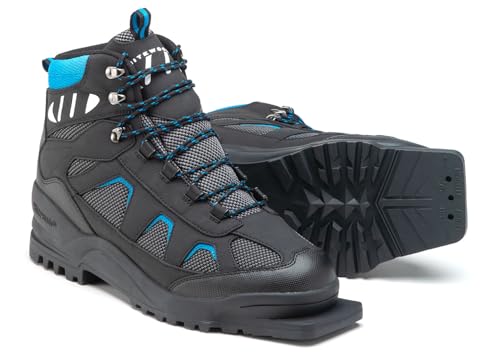
These Whitewoods 2024 unisex adult ski boots are built for the adventurous cross‑country rider who refuses to compromise on comfort or performance. The 75 mm 3‑Pin construction pairs a high‑tech outer fabric that’s completely waterproof, wind‑proof and breathable with a lightweight, durable shell—perfect for tackling everything from icy trails to powder‑filled valleys. Inside, a 100 g Thinsulate lining and quick‑dry liner lock in warmth while still letting moisture escape, so your feet stay cozy and dry all day. The boots feature an ergonomic metal lace‑guide system that distributes pressure evenly, a removable insole for custom fit, and a reinforced toe protector for added durability. With a standard 75 mm sole, they slot into any 3‑Pin binding without hassle. Remember to reference the Boot Sizing Chart in the images to select the perfect fit for both men and women.
Pros
- All‑weather protection: Waterproof, wind‑proof, breathable outer shell with Thinsulate insulation keeps feet warm and dry in any condition.
- Ergonomic fit: Metal lace guides and removable insole provide personalized comfort and reduce pressure points on long rides.
- Universal compatibility: Standard 75 mm sole works with all 3‑Pin binding systems, making the boots versatile for any setup.
Cons
- Limited color options: Currently offered only in Black/Blue, which may not suit every style preference.
- Sizing reliance on chart: Accurate fit depends on consulting the Boot Sizing Chart, adding an extra step for shoppers unfamiliar with ski boot sizing.
4. Whitewoods 301 XC Ski Boot
Whitewoods 2024 Unisex Adult 301 75mm XC Touring Cross‑Country Adventure Insulated Ski Boots combine cutting‑edge materials with a sleek Black/Blue design, delivering the perfect blend of performance and comfort for both men and women. The high‑tech outer fabric is completely waterproof, wind‑proof, breathable, and built to last, while the 100 g Thinsulate lining and quick‑dry liner keep your feet warm and dry on frosty trails. A lightweight 75 mm sole and reinforced metal lace guides provide ergonomic pressure distribution, and the removable insole adds extra support. The boots feature a toe protector for added safety and are compatible with any standard 75 mm (3‑Pin) binding system, making them versatile for a range of cross‑country setups. Remember to consult the Boot Sizing Chart in the images to select the perfect fit.
Pros
- All‑weather protection: Waterproof, wind‑proof, and breathable outer shell with Thinsulate insulation.
- Ergonomic comfort: Improved metal lace guides and removable insole reduce pressure points on long rides.
- Universal compatibility: Works with any standard 75 mm (3‑Pin) binding, ideal for mixed‑terrain use.
Cons
- Sizing reliance: Accurate fit depends on using the Boot Sizing Chart; misreading could affect comfort.
- Limited color options: Currently offered only in Black/Blue, which may not suit all style preferences.
3. Saucony Kilkenny Xc9 Spike

The Saucony Women’s Kilkenny XC9 Spike is built for the rugged demands of cross‑country racing while keeping you light on your feet. A breathable mesh upper hugs the foot, delivering a snug yet flexible fit that moves with every stride. The shoe’s engineered midsole blends responsive cushioning with a low‑profile feel, giving you the speed you need on uneven trails without sacrificing comfort. Integrated spike plate holes let you add or remove spikes quickly, so you can adapt to varying terrain and weather conditions on the fly. A durable rubber outsole with aggressive tread provides reliable traction on mud, grass, and loose gravel, while the reinforced toe guard protects against the inevitable brush and rocks you’ll encounter on race day. Overall, the Kilkenny XC9 Spike offers a balanced mix of speed, stability, and protection that helps you stay focused on the finish line.
Pros
- Versatile traction: removable spike plate lets you customize grip for any cross‑country surface.
- Lightweight responsiveness: engineered midsole delivers a fast, springy ride without excess bulk.
- Durable protection: reinforced toe guard and robust outsole stand up to rough trail conditions.
Cons
- Limited cushioning for long road runs: the low‑profile feel may feel firm on hard pavements.
- Spike plate may require extra setup: swapping spikes can add a small prep step before races.
2. Brooks Draft XC Running Shoe

The Brooks Draft XC Supportive Cross‑Country Running Shoe is built for the next generation of XC athletes who demand speed, stability, and a splash of team spirit on every rugged mile. Its unisex design (men’s 9.5 / women’s 11) fits a wide range of foot shapes, while the sleek White/Black/Nightlife colorway keeps you looking sharp from the start line to the finish chute. Strategically placed spikes deliver reliable grip on mud, grass, and uneven trails, so you can power through hills without slipping. Inside, BioMoGo DNA cushioning provides a responsive, low‑profile feel that adapts to each stride, giving you the support you need without sacrificing speed. The customizable heel piece lets you showcase your team’s mascot, goal times, or a personal cheer—turning every race into a proud display of school pride.
Brooks recommends ordering half a size up from your dress shoe, and the unisex sizing follows industry standards (women’s size – 1.5 = men’s size), making fit selection simple.
Pros
- Optimized traction – spikes positioned for maximum grip on varied terrain.
- Responsive cushioning – BioMoGo DNA adapts to each footfall for a smooth, supportive ride.
- Team personalization – removable heel plate lets you add mascots, times, or cheers.
Cons
- Spikes may wear on hard surfaces, requiring periodic replacement.
- Limited color options – the bold White/Black/Nightlife combo may not suit every style preference.
1. New Balance FuelCell XC7 V5
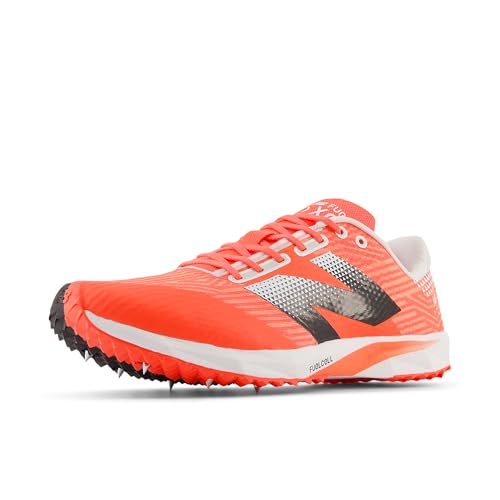
The New Balance FuelCell XC7 V5 blends race‑day technology with everyday comfort, wrapped in an eye‑catching Urgent Red/Black/White colorway. A responsive FuelCell foam midsole gives each stride a propulsive feel, helping you push forward without extra effort. The angular midsole design trims unnecessary weight, while the breathable mesh upper keeps your feet cool during long runs or intense workouts. A durable rubber outsole equipped with six removable spike pins lets you customize traction for everything from slick pavement to muddy trails. Lightweight synthetic overlays add support without sacrificing speed, making this shoe a versatile choice for both seasoned runners and casual joggers.
Pros
- FuelCell foam provides a spring‑like response that reduces fatigue on longer runs.
- Removable spike pins let you adapt traction to any surface, from road to trail.
- Lightweight construction (angular midsole & synthetic upper) enhances speed and agility.
Cons
- The aggressive outsole may feel stiff initially; a short break‑in period is recommended.
- Limited color options; the bold Urgent Red may not suit every style preference.
Buying Guide
When selecting cross‑country shoes, prioritize traction, weight, and fit to handle varied terrain and long distances. A well‑chosen pair reduces fatigue, improves speed, and protects you from injury.
- Traction and sole design: Look for aggressive lugs or a mixed‑pattern outsole that grips mud, grass, and gravel without sacrificing smooth‑run efficiency.
- Weight and flexibility: Choose shoes under 7 oz (200 g) that bend easily at the forefoot, allowing natural stride turnover on long runs.
- Fit and support: Opt for a snug heel cup and breathable mesh upper; ensure there’s enough room in the toe box for swelling during races.
- Durability and material quality: Reinforced toe caps and abrasion‑resistant overlays extend shoe life on rocky sections while maintaining lightweight performance.
- Value and reviews: Compare price against features, but also read athlete feedback; shoes with high ratings often deliver consistent performance across seasons.
By weighing these factors, you can match a shoe’s characteristics to your running style and race conditions. The right pair will keep you comfortable, fast, and injury‑free throughout the season.
Frequently Asked Questions
What features should I look for in the best cross‑country running shoes?
Answer:
– Lightweight construction – reduces fatigue on long, uneven terrain.
– Responsive cushioning – protects joints while allowing a quick turnover.
– Durable outsole with aggressive lugs – provides traction on grass, mud, and trails.
– Secure, breathable fit – prevents blisters and keeps feet comfortable in varying weather.
Are minimalist shoes a good choice for cross‑country racing?
Answer:
Minimalist shoes can work for experienced runners who have built strong foot muscles and prefer a natural feel, but they offer less protection on rough surfaces. If you’re new to cross‑country or race on mixed terrain, a shoe with moderate cushioning and a protective toe cap is usually a safer, more versatile option.
How often should I replace my cross‑country shoes?
Answer:
– Mileage: Most runners need a new pair every 300–500 miles (480–800 km).
– Wear signs: Check the outsole for worn lugs, compressed midsole, or stretched uppers.
– Performance drop: If you notice a loss of responsiveness or increased soreness, it’s time for a replacement, even if you haven’t hit the mileage limit.
Conclusion
Choosing the right cross‑country shoe is about balancing comfort, support, and performance on varied terrain. A lightweight, breathable upper paired with cushioning helps maintain speed while protecting joints on long runs, and a durable outsole with reliable traction keeps you steady on mud, grass, and gravel. Pay close attention to fit—especially around the heel and toe box—to prevent blisters and ensure a natural stride. Consider your foot’s pronation and any stability needs, and don’t overlook the importance of a break‑in period. By prioritizing these factors, you’ll equip yourself with footwear that enhances endurance, reduces injury risk, and lets you focus on the race ahead.